

Without proper care, your gums can actually develop an infection called periodontal disease (a.k.a. “gum disease”). Symptoms can include red, swollen, or bleeding gums, and in more advanced stages, tooth loss. Thankfully, Dr. Dean and our team can take care of your entire smile. If we spot any issues with your gums during your checkup, we’ll be able to take care of them right away using a variety of options for periodontal therapy in Covington, GA. And if you notice signs of this unwelcome disease, please don’t hesitate to contact our office!
Gum disease is, more or less, a bacterial infection that targets your gums. The main cause is oral bacteria buildup, which can occur due to poor hygiene habits, excessive sugar consumption, certain medications, genetics, or hormonal changes. A mild case of gum disease is sometimes referred to as “gingivitis,” while more advanced cases are known as “periodontitis.” The consequences of periodontitis can be quite serious, so it’s best to treat gum disease as soon as possible!
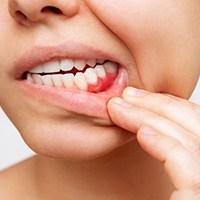
As mentioned above, gum disease can irritate your pink oral tissue, causing redness, swelling, bleeding, or even tooth loss. Here’s a more comprehensive list of possible symptoms:
We provide a wide range of gum disease treatments in Covington, and our recommendation will ultimately depend on the results of your oral exam. Some solutions are better suited for gingivitis, while others are more effective for periodontitis. Either way, we’ll be sure to review our findings with you and make sure you’re well-informed about your options.

As periodontal disease progresses, patients tend to develop small pockets of bacteria located between their teeth and gums. These are extremely hard to clean with traditional tools, which is where PerioChip antibiotic therapy can help. Smaller than a grain of rice, this chip can be placed directly into an infected pocket where it will release a powerful antibiotic 24-hours a day for an entire week. This will enable the medicine to reach even the lowest part of the pocket and kill the deepest bacteria.
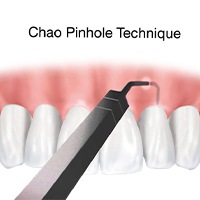
Gum recession can make teeth appear unnaturally long while also exposing delicate dental roots. Instead of fixing this problem with an invasive gum graft, Dr. Dean can use the Chao Pinhole Technique to restore the look, health, and position of your gumline. Special tools and training enable him to gently stretch and massage the gums back into place without the need for incisions or sutures. This process is fast and effective, and results can be seen almost immediately.

The Chao Pinhole Technique was first invented by Dr. John Chao in the early 2000s. After extensive testing, he began to teach it to his fellow professionals, and it has become increasingly popular in the last decade or so.
It is a special procedure that we use to treat gum recession. Whether the recession is a result of gum disease, overly aggressive brushing and flossing, teeth grinding, or other factors, this approach is often effective.
Unlike a traditional gum graft, which involves using your own tissue or that of a donor to cover exposed tooth roots, the Chao Pinhole Technique uses existing tissue at the site of the gum recession. The tissue is carefully stretched and repositioned in a way that restores the gumline.
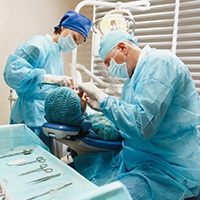
The Chao Pinhole Technique is pretty easy for patients. We will numb the treatment area, so you should not experience any pain during your treatment. If you are nervous, ask us if you qualify for sedation.
Once you are settled in, our team will get to work. To perform the Chao Pinhole surgery, Dr. Dean uses a special instrument to create a tiny hole in your gums. Then, he carefully loosens the existing tissue and slides it down in order to extend the gumline. We place tiny collagen strips under the gums to hold the repositioned tissue in place while it heals. No incisions or stitches are necessary.
Depending on the extent of the surgery, it might take 1 – 3 hours or so. In most cases, the entire procedure can be completed in just one appointment.

The Chao Pinhole Technique is truly innovative! Some of its top benefits include:
Would you like to find out whether you are a candidate for the Chao Pinhole Technique? Contact us today to request a consultation.

Scaling and root planing is like a type of “deep cleaning” for your teeth. The goal is to eliminate the bacteria that are hiding below your gumline. Using special tools and a gentle touch, we will “scale” bacteria from your infected gums, then smooth out your tooth roots to help prevent reinfection.

Some cases of gum disease can be reversed via thorough at-home oral hygiene techniques, such as thorough brushing and flossing.
However, if your condition is more advanced, we may recommend scaling and root planing. You should visit us for a periodontal evaluation if you are experiencing any of the following:
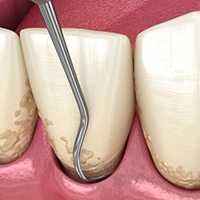
We usually administer local anesthesia to make the treatment process easier and more comfortable. During the scaling portion of your treatment, we will use a special instrument to remove plaque and tartar from both above and below your gumline. Next, during root planing, we will smooth out the roots of your teeth so bacteria find it more difficult to clean to them and cause reinfection.
Depending on the extent of the care you need, scaling and root planing may take one or more appointments. We usually work on one quarter of the mouth at a time.

Because scaling and root planing can be an intensive treatment, it may be a few weeks before your mouth feels normal after your appointment. In the meantime, here are some practical aftercare tips:

After being diagnosed with gum disease, we’ll encourage you to engage in ongoing care so that you can keep the levels of bacteria in your mouth under control. This will involve diligent oral hygiene at home, rinsing with a special kind of mouthwash, and receiving dental cleanings every three-to-four months. If the infection looks like it’s coming back, our team will be able to take care of it right away!